Friday Khutba
Beginning the New Year by Seeking Refuge in Allah and Starting in His Name
01. January 2026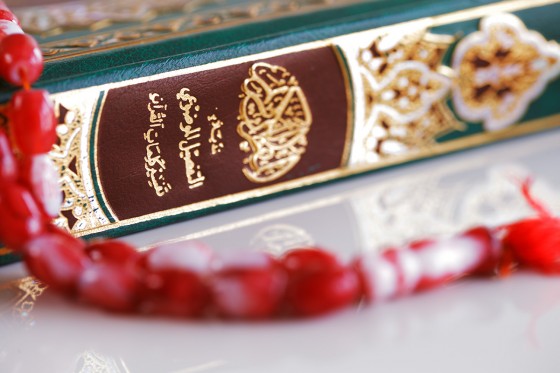
Dear Brothers and Sisters!
We have entered another new Gregorian year. Time is one of the most precious blessings entrusted to human beings. Every new year is an opportunity to take account of the past and to make the future more worthy. As a believer enters the new year, they renew not only the calendar, but also their intention and their heart. The key to this renewal is seeking refuge in Allah and beginning every action in His name.
Dear Brothers and Sisters!
Istiʿādhah means “seeking refuge in Allah from the Shaytan.” In the Qur’an, seeking refuge in Allah is mentioned in 17 verses. Prophet Nuh sought refuge in Allah from asking for what he had no knowledge of (Sūrah Hūd, 47); Prophet Yūsuf sought refuge from falling into sin (Sūrah Yūsuf, 23); and Prophet Musa sought refuge from acting in anger toward his people (Sūrah al-Baqarah, 67). Allah (swt) instructs us, “When you recite the Qur’an, seek refuge in Allah from the accursed Satan.” teaching us to always seek His protection.
Istiʿādhah is not only recited before Qur’an recitation; it is a refuge when we feel anger, when we are drawn toward sin and when whispers enter our hearts. In this regard, Allah (swt) says, “If an evil suggestion from Shaytan provokes you, then seek refuge in Allah. Indeed, He is All-Hearing, All-Knowing.” The chapters of al-Falaq and an-Nās are also supplications that protect the believer from both visible and hidden evils.
Dear Jama’ah!
The Basmalah, on the other hand, means beginning every good and righteous deed in the name of Allah. When we say “Bismillāhir-Raḥmānir-Raḥīm,” we seek the mercy and help of Allah. The Basmalah is a mark of true servitude: it is the servant attributing their actions not to themselves, but to Allah. In the Qur’an, while mentioning the letter of Prophet Sulayman, it is stated:
اِنَّهُ مِنْ سُلَيْمٰنَ وَاِنَّهُ بِسْمِ اللّٰهِ الرَّحْمٰنِ الرَّحٖيمِۙ
“Indeed, it is from Sulayman, and indeed, it is in the name of Allah, the Most Compassionate, the Most Merciful.” Through this, the Basmalah is presented as a divine etiquette. Our Prophet (saw) also said, “Every meaningful statement or action that is not begun with the exalted Basmalah is deprived of blessing and remains incomplete.”
To understand which words, actions and deeds the Basmalah should precede, the phrase “dhī bāl” mentioned in the hadith is of great significance. Dhī bāl refers to all meaningful, important, conscious and lawful actions. Thus, the Basmalah is recited when sitting down to eat, leaving the house, beginning work, setting out on a journey, starting a conversation and when performing wudu and salah. Reciting the Basmalah brings blessing to one’s actions and strengthens the bond between the servant and Allah. A believer who begins with the Basmalah is, in effect, saying, “I am doing this not in my own name, but for the pleasure of Allah.” The Basmalah is also a symbol of an ethic of mercy, as it is composed of Allah’s two names of mercy: al-Raḥmān and al-Raḥīm. Every word and every action that begins with the Basmalah is grounded in mercy, justice and compassion.
Dear Brothers and Sisters!
As we enter the new Gregorian year, our hope is this: that we protect our hearts from whispers, occupy ourselves with good and righteous deeds and humbly ask Allah (swt) to bring our efforts to completion with blessing. For this reason, let us adorn our tongues and our hearts with istiʿādhah and the Basmalah. Let us remember that a year begun by seeking refuge in Allah continues under His mercy and a deed started in His name concludes with blessing. O Allah, protect our hearts and minds through istiʿādhah. Bless our actions through the Basmalah. Make this year, in general, a year of mercy and peace for all humanity, and in particular for Muslims. Ameen.
Khutba – English
Khutba – Turkish
Khutba – German
Khutba – Arabic
Khutba – French
Khutba – Dutch
Khutba – Danish